
Muscovado Sugar
- The Gourmet Gambit

- Feb 4, 2019
- 2 min read
Muscovado sugar (or "mascobado") is a complete, unrefined cane sugar from the Philippines and Mauritius. It is dark brown with a high molasses content, which gives it a strong taste.
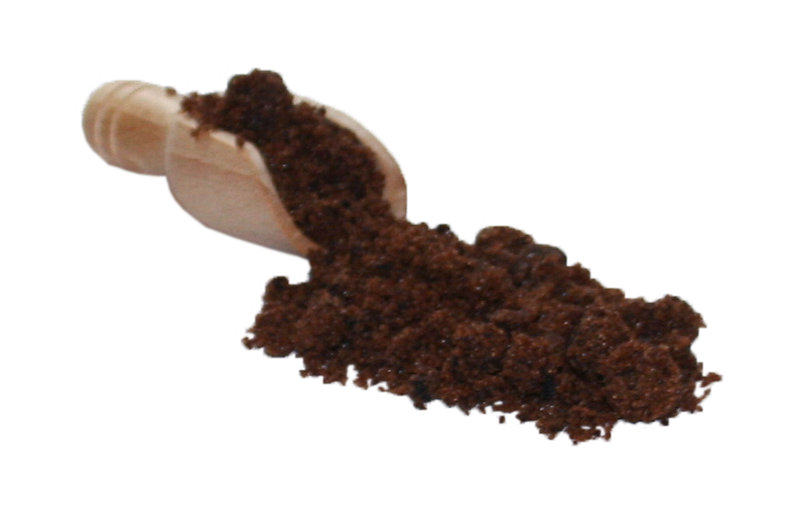
The process of refining sugar was invented in the Indian subcontinent 8,000 years ago, where sugar cane has grown for years since the Bronze Age Indus Valley Civilization To make it, the juice extracted from the sugar cane, called vesou, is heated.
When all the liquid is evaporated, the residue is dried and ground.
Filtered and then caramelized, it owes its caramel hue to high molasses content, the uncrystallized brown and viscous residue of the cane syrup.
Unlike white sugar, which brings only the sweet taste, they develop exceptional aromas and length in the mouth
Muscovado sugar has a scent of sugar cane juice, with notes of caramel, licorice and vanilla.
It is better to favour unrefined sugar because it retains the nutrients brought by sugar cane. Refining, an industrial purification process, removes all pigments from brown sugar, as well as its vitamins and minerals.
Muscovado sugar is a complete sugar very interesting nutritionally: because it has not been refined, and retains all the mineral salts (potassium, magnesium, and calcium), vitamins (A, B3, B5, B6, and B9) and the amino acids of sugar cane. They are therefore allies of size to fight against cardiovascular diseases.
Their strong taste also allows putting less, especially in pastries, which has a positive impact on the line.
The Indian English names for this type of sugar are khandsari and khand (sometimes spelt khaand). In most other forms of English the name is muscovado
A significant proportion of India's production of Khandsari (muscovado) is used for the illicit production of desi daru, a distilled alcoholic drink.
Khandsari (muscovado) is used in traditional Ayurveda medicine to aid blood purification, digestion, bone health and the lungs.


Comments